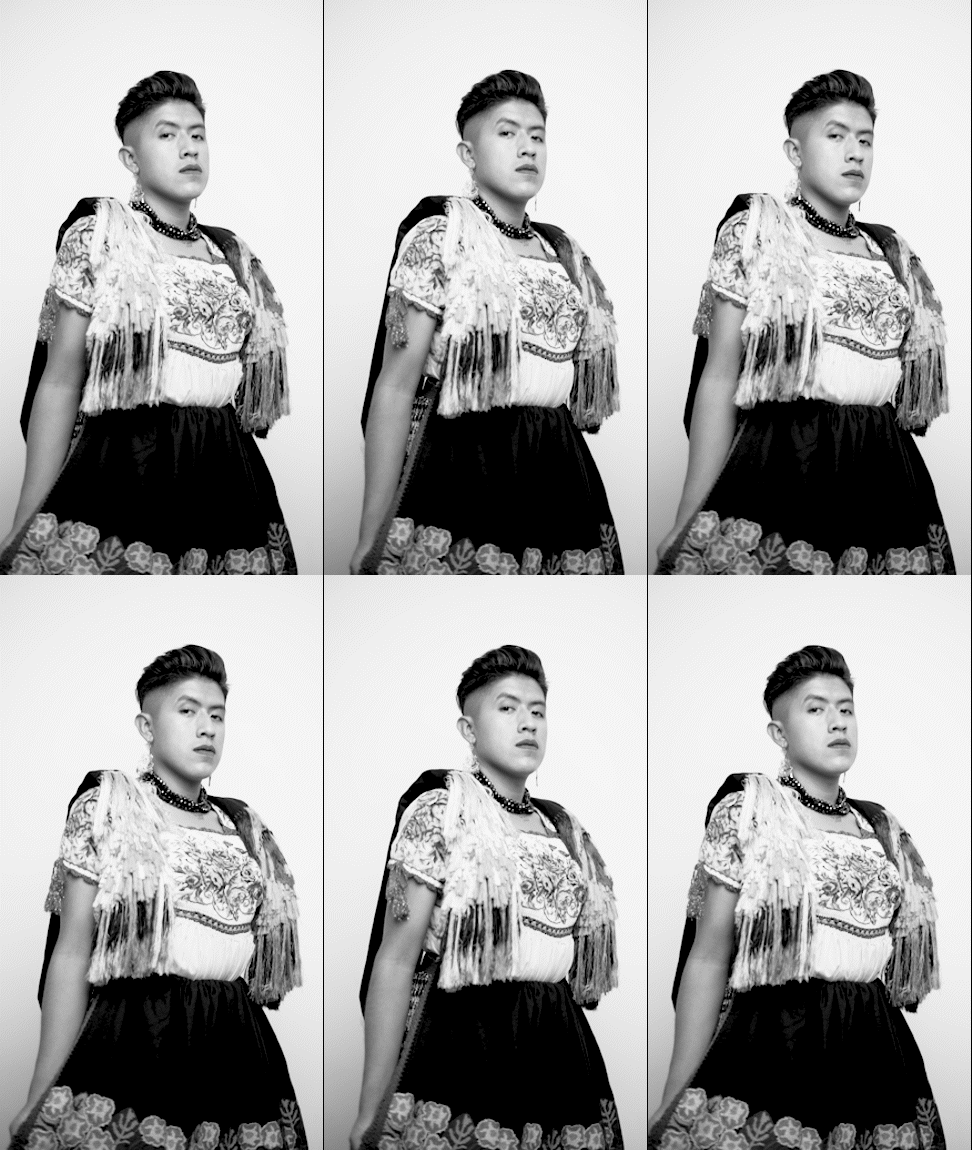
Alejandro Volkova
Alejandro, originario de Carapan, en la cañada de los once pueblos de la comunidad purépecha, es bordador en punto de cruz y maquillista. Se asume como una persona fluida que habita con valentía los espacios que históricamente le han negado legitimidad. Criado por su abuela materna, lejos de las imposiciones más rígidas del machismo, aprendió desde niño a bordar, jugar y crear sin vergüenza, forjando una identidad que hoy sostiene con firmeza pese a las burlas, críticas y violencias cotidianas —incluso familiares— que implica expresarse de manera femenina en su comunidad. Aunque a veces la inseguridad le susurra que no tiene valor, ha convertido esa herida en motor colectivo: junto a otres integrantes LGBT+ de su pueblo, entiende que el simple acto de mostrarse es ya una forma de activismo, una ruptura de estereotipos que desafía la idea de que son “vulgares” y reivindica sus oficios, su talento y su dignidad. Se declara feliz, no porque el camino haya sido fácil, sino porque sabe que cada gesto suyo abre brecha para las infancias que lo miran con ternura y reconocimiento; lejos de huir, elige quedarse y luchar en su tierra, convencido de que romper paradigmas es un acto de amor hacia las futuras generaciones y de que su existencia visible es, en sí misma, una transformación irreversible.
Alejandro, from Carapan in the Cañada de los Once Pueblos of the Purépecha community, is a cross-stitch embroiderer and makeup artist who embraces himself as a fluid person, courageously inhabiting spaces that have historically denied him legitimacy. Raised by his maternal grandmother, away from the harshest impositions of machismo, he learned from childhood to embroider, play, and create without shame, forging an identity he now defends firmly despite the daily mockery, criticism, and even familial hostility that come with expressing femininity in his community. Though insecurity sometimes whispers that he lacks worth, he has transformed that wound into collective strength: alongside other LGBT+ members of his town, he understands that simply showing up as himself is already a form of activism—a rupture of stereotypes that challenges the notion that they are “vulgar” and instead affirms their craft, talent, and dignity. He describes himself as happy—not because the path has been easy, but because he knows each visible step he takes opens space for the children who greet him with recognition and affection; rather than fleeing, he chooses to stay and fight in his homeland, convinced that breaking paradigms is an act of love for future generations and that his visible existence is, in itself, an irreversible transformation.